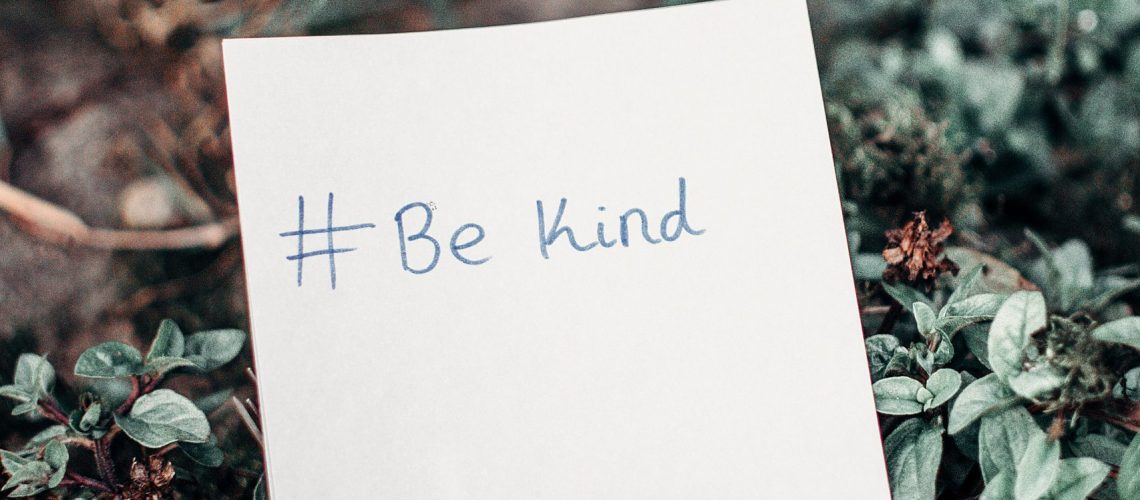

As the initial shock of what Covid-19 means for each of us subsides and we start to adjust to a ‘new normal’ it is heartening to notice the theme of self-care creeping back into conversations I am having with clients and colleagues. Unfortunately self-care is something far too often overlooked when in a crisis or when we are busy considering the needs of others but, as I find myself saying on numerous occasions, we really cannot be at our best and there for others if we are not there for ourselves first. Below are 5 simple tips for self-care that can be helpful regardless of your role:
1. It’s ok to not be ok
There is no blueprint for what we are all trying to navigate through right now. The challenges presented by Covid-19 transcend the professional and become very personal as we strive to keep ourselves and our loved ones safe at a very difficult time. In this context it is ok to have bad days. It is ok to feel overwhelmed on occasion, or be tearful for seemingly no reason. It is part of what it means to be human and to care. What is most important at such a time is to allow yourself to simply feel as you do and not judge it, and of course to seek further support if you need it.
2. Write it down
Writing can be helpful in a number of ways. If you are a list maker then creating a ‘to do’ list can help you focus if you are struggling or feeling anxious. It can also help you feel more in control and give a sense of achievement even if it is only little things when so much can feel out of control. Journaling or using a notebook to capture your thoughts and feelings can help to bring perspective and allow you to make sense of how you might be feeling and why.
3. Reach out
Having a group of people you can be open and honest with (even if it is over Zoom) and using it is key to self-care. As a psychotherapist I often have people saying ‘it’s different for you, you’re strong or you’re used to difficult things like this’. Whilst there might be an element of truth in this given the work I do, in reality it is the support network I have around me that gets me through the difficult times. That and I’m also a big fan of supervision and reflective practice; a space where I have permission to be me, not how people might need me to be, for a time. The latter is particularly important if you are in a role where the demands of you from others are high, for example in health or social care, leadership roles or HR to name but a few.
4. Set boundaries
At the beginning of ‘lockdown’ I noticed that, as many people in my network started working from home, they were often working longer hours or being more flexible in when they made themselves available for others. Whilst laudable on many levels the problem is that it is hard to dial back from this once you have established a pattern and create the necessary downtime or separation from work that ordinarily enables us to keep going. This in turn can have a detrimental impact on anxiety levels and lead to feelings of burnout or even resentment. So some basic boundary-setting is important for wellbeing. This can be as simple as putting the work phone in a drawer at the end of the day; ensuring you have an ‘out of office’ on your email when not working to manage people’s expectations about hearing back from you; keeping to your regular working hours; taking social media apps off your phone or if that feels too much then limiting the degree to which you engage with it during the day. Constant exposure to media and difficult messages and stories is proven to have a negative impact on wellbeing and contribute to mounting anxiety levels.
5. Get outside
Taking regular breaks is really important. If you have previously been office-based you probably underestimate the number of small or informal breaks in concentration you had during your working day that helped sustain you. Factoring these in when working from home will help you be more productive and feel more resourced. Even though we are limited, getting outdoors regularly is important. Nature has immense healing powers and can be a real balm if you are feeling overwhelmed. So set an intention get out each day and actively take in your surroundings rather than being on auto-pilot. See how you might leave the task list on the doorstep, listen to the birdsong, feel the air on your cheeks and breathe deeply.
In closing, now does not have to be a time for self-actualising; for learning that language or skill you had no time for before. It is ok to focus on the basics including prioritising self-care so that you feel better placed to cope with the ‘not-knowing’ that this challenging time presents us all.

